Repair Stock
A plant needs carbon steel angle and plate cut for a guard repair before the next shift. Clear measurements, quantities and a target receiving time keep the quote focused.
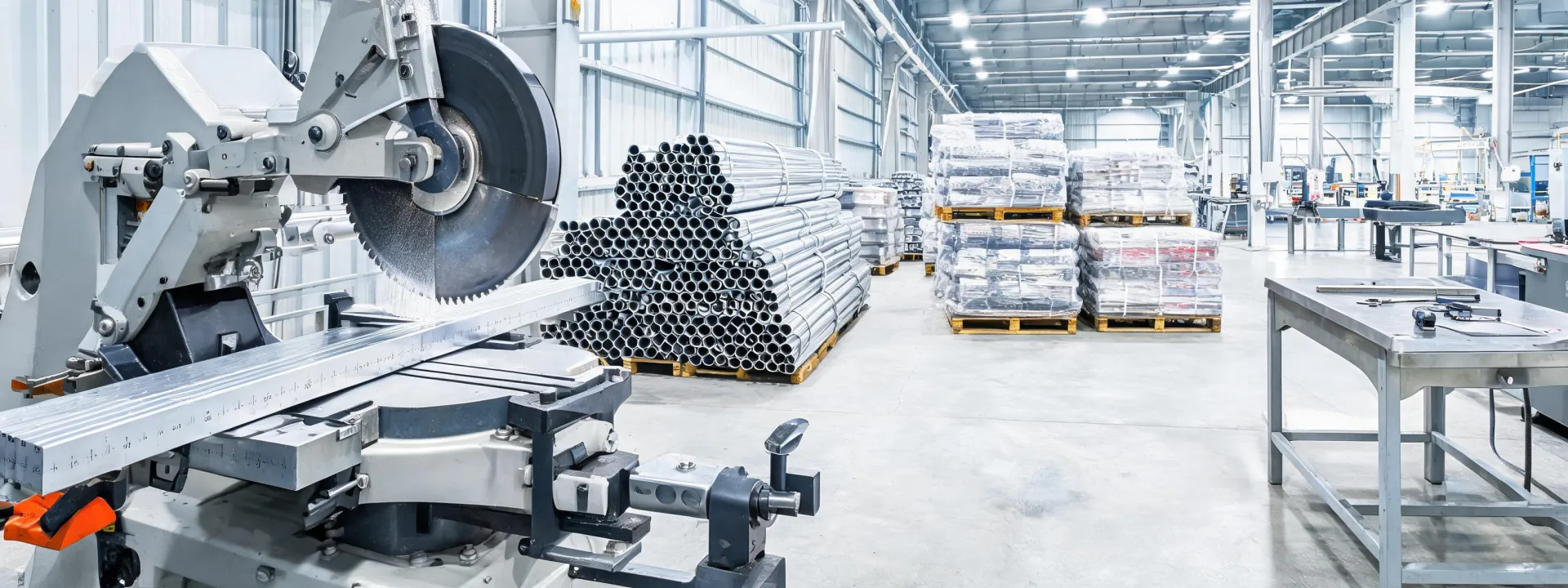
Capabilities
The capability page translates the platform inventory promise into operational terms: which stock families are routed, how cut-to-size requests are described, what tolerance language belongs in a quote, and which timing details help a buyer protect the next production step. It keeps the focus on capacity, equipment, order clarity and practical processing limits.
Processing Band
Saw and shear notes can define length, width and practical tolerance needs before material reaches the shop floor.
Bar, tube, plate, sheet and angle requests can be routed with the size information that matters to downstream fabrication.
Bundle counts, job labels and receiving references help buyers connect delivered material to a work order or maintenance task.
Timing conversations can separate catalog availability, cutting work, packing and shipment coordination.
Tolerance & Equipment Notes
Metal service work becomes more predictable when a request includes a practical tolerance instead of a vague instruction. A buyer who asks for a saw-cut aluminum bar, a sheared stainless sheet, a carbon steel plate blank or a copper bar segment should include the finish expectation, nominal size, allowed variation and whether the dimension is cosmetic, structural or machining-critical.
Speedy Metals can use those details to identify when a standard cut is enough and when a buyer should discuss secondary machining, edge cleanup, additional inspection or a different stock form. The goal is to avoid promising precision that belongs in another process while still making the purchased material easier to use immediately.
| Capability Input | Why It Matters |
|---|---|
| Metal family and grade | Directs the quote to the right stock category and avoids mismatched alloy assumptions. |
| Shape and dimensions | Clarifies whether sheet, plate, bar, tube, angle or pipe is the best source form. |
| Cut tolerance | Separates rough sizing from near-net preparation for machining or fit-up work. |
| Lead-time target | Helps the team prioritize stock review, cutting steps, packing and shipment discussion. |
Capability Scenarios
A plant needs carbon steel angle and plate cut for a guard repair before the next shift. Clear measurements, quantities and a target receiving time keep the quote focused.
An engineer needs aluminum plate, tube and bar for a fixture update. Small quantities and exact size notes reduce excess material while the design is still changing.
A buyer orders stainless pieces for a recurring equipment package. Storing the size pattern and packaging notes makes later requests easier to confirm.
Capability Request
Use the form to send dimensions, quantities, tolerance expectations, equipment limitations, material family and lead-time needs. The response can focus on what is practical for catalog stock and where extra processing discussion may be required.